


Listen to the audio version of this article here:
![[AUDIO] Avoiding Prole Drift the George Washington Way](https://substackcdn.com/image/fetch/$s_!5L7P!,w_140,h_140,c_fill,f_webp,q_auto:good,fl_progressive:steep,g_auto/https%3A%2F%2Fsubstack-video.s3.amazonaws.com%2Fvideo_upload%2Fpost%2F211191693%2Ff9d72e17-0c50-42ed-a5f6-fd299105f3c5%2Ftranscoded-1786720601.png)
Well, Tuesday’s article on prole drift—broadly, the tendency of democratic American society to revert to the habits, actions, and preferences of the underclass—seems to have struck a chord. Evidence of it is everywhere, from our statuary to our speech, our dress to our habits.
One common response I got to the article was some variation of “how do we fix this?” or “what could be done to roll this back”?
That is an interesting question, and one about which I have been thinking a great deal, as the problem is an omnipresent and crushing one. I will do a full article on the question and what I think the most effective ways to resist “prole drift” in our personal lives are.
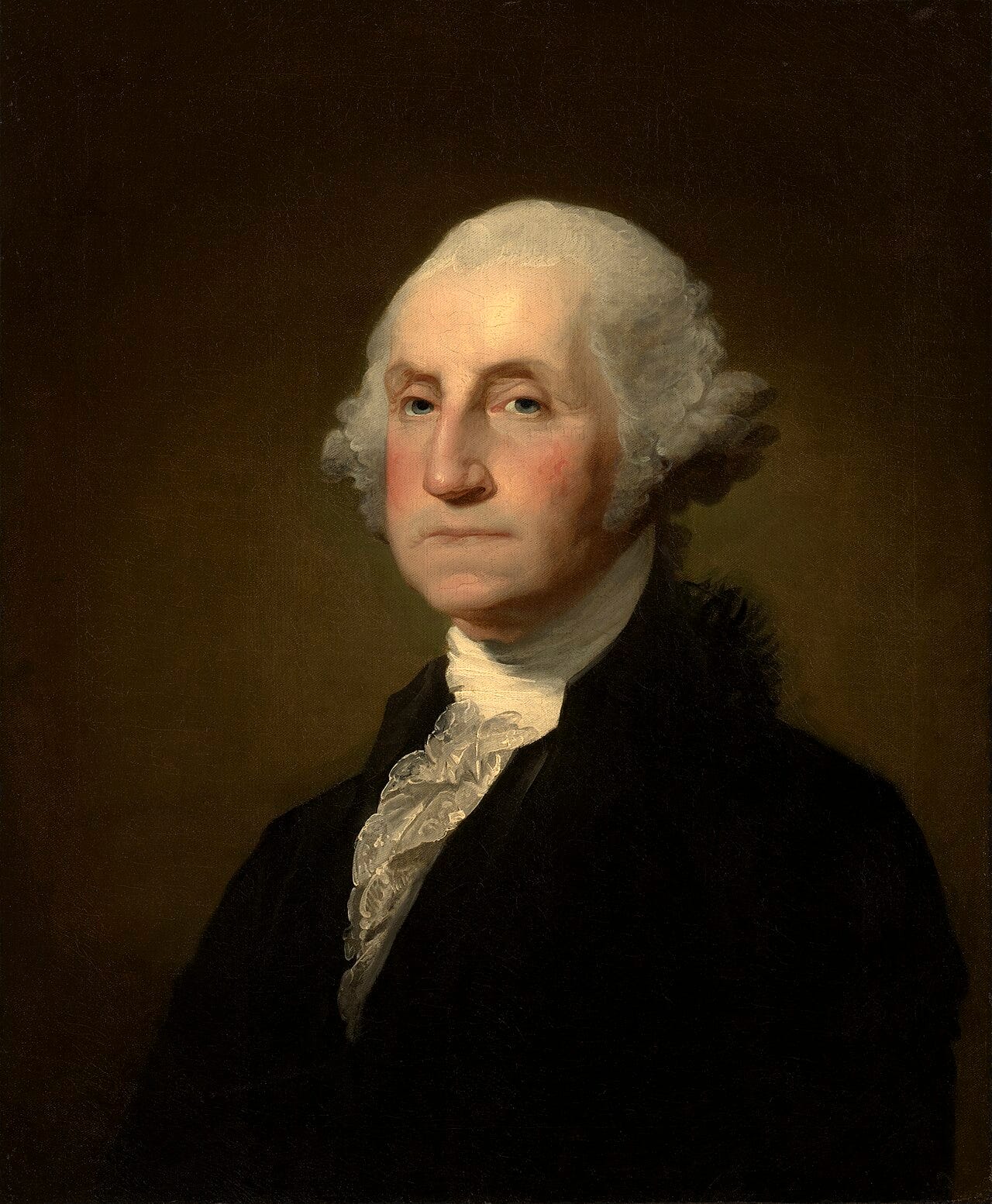
As I flesh that article out, I remembered that one of America’s greatest men addressed this question long ago. That was George Washington, who wrote a short book called Rules of Civility & Decent Behaviour as a young man. The book—based on earlier writings about how to become and be a refined gentleman that were then popular in Virginia (First Gentlemen of Virginia by Louis Wright covers this in some depth, if you are interested)—consisted of 110 rules for the aspiring gentleman to take to heart to show to others that he was a gentleman rather than a rogue. Or, in other words, to show that he was mannered and civilized rather than succumbing to the degeneration of manners, culture, and behavior that it would be easy to slip into along the frontier.
In Washington’s day, they were not yet at the “prole drift” point societally, as we are, but the threat of becoming lax in one’s manners along the frontier of a fledgling civilization was a real one. Washington’s rules show how to reject such a slide, which makes them very useful; we too stand at the frontier of civilization, though because the wilds are approaching us rather than we approaching them.
These rules of behavior stood him in good stead. Washington’s embodied collection of rules about etiquette enabled him to impress such powerful men as Governor Dunmore, General Braddock, the Virginia Assembly, and the members of the Continental Congress. British lords, America’s best and brightest, and the cream of the Virginia gentry crop all viewed him with respect. So too did his men, both in the Virginia militia and the American Revolution.
Washington chiseled himself into a stern Classical hero out of the pages of Plutarch. As Gordon Wood put it in Revolutionary Characterx, “Washington was the only truly classical hero we have ever had. He was admired as a classical hero in his own lifetime.” The result of that—the result of Washington tirelessly training himself to be better in every way, and to represent being an aspirational figure rather than underman to the core of his being—was that he “seems to come from another time and another place, from another world.”
Such is what we must accomplish if we are to resist the prole drift problem and start to roll it back. If we are to succeed, we too must be men and women who seem to come from a different time and era. One that is more dignified, civilized, and refined. One that, like Washington, is stern, forbidding, and excellent as only Classical heroes and their world can be.
Washington accomplished this by coming up with his 110 rules and internalizing them so thoroughly that they characterized his every action for the rest of his days. So, I have transcribed them below, and I think this list will be a helpful resource for Tuesday’s article on how to fight prole drift. Where a rule seemed entirely outdated or in need of a revision to make it more relevant to our times, I have added a note explaining how I think the rule should be reworded and why. Generally, however, I have just let General Washington speak. It is his thoughts that are great, and his manners that were world-shaping. Not mine.
One final thing before we begin: many of these rules are about small things like dress, table manners, speaking properly, and so on. There is a tendency to view such things as unimportant, or undeserving of much attention compared to bigger issues. I think that is wrong. It is the little things that make civilization. And the greatest American our nation has produced thought so as well. These are the things he focused on to turn his raw excellence and courage into being a great man who others admired, respected, and trusted. The small things matter. If you think otherwise, pause and ask whether you know better than Washington.
Washington’s Rules of Civility
1. Every Action done in Company, ought to be with some Sign of Respect, to those that are Present.
2. When in Company, put not your Hands to any Part of the Body, not usually Discovered.
3. Show Nothing to your Friend that may affright him.
I would update this one to “Don’t be intentionally shocking”. There’s a tendency, particularly in online circles, to push increasingly radical, unbecoming, or explicit messages, commentary, and media for the purpose of being shocking. This is leftist behavior, at its core. It is the Weather Underground “shocking the squares” for the purpose of wearing down their spirits and pushing entropy. One ought always speak the truth, but doing so with gore, vulgarity, explicit images, and all the rest—whether to be politically or personally shocking—is against what Washington is here arguing and saying one ought to avoid.
4. In the Presence of Others sing not to yourself with a humming Noise, nor Drum with your Fingers or Feet.
5. If You Cough, Sneeze, Sigh, or Yawn, do it not Loud but Privately; and Speak not in your Yawning, but put Your handkerchief or Hand before your face and turn aside.
6. Sleep not when others Speak, Sit not when others stand, Speak not when you Should hold your Peace, walk not on when others Stop.
7. Put not off your Cloths in the presence of Others, nor go out your Chamber half Dressed.
I would change this one to “always be properly attired for the occasion.” It would be weird to wear a suit to the beach, or to the pool. Things have changed since Washington’s day, though it remains true that no one wants to see an obese individual in a Speedo or bikini; knowing what is becoming remains important. Similarly, things like showing up to work or church in a t-shirt, drunkenly ripping off your shirt at a family gathering and jumping onto the table, and needlessly changing around others are the immodesty against which he is warning.
8. At Play and at Fire its Good manners to Give Place to the last Comer, and affect not to Speak Louder than ordinary.
This one remains times-appropriate. However, as to the second part of it about speaking loudly, I would add that, as Harry Flashman’s uncle tells him in the first Flashman novel, being a boorish, loud drunk is a far worse thing than being a quiet drunk; the latter can be the habit of a gentleman, the first most certainly cannot be.
9. Spit not in the Fire, nor Stoop low before it; neither Put your Hands into the Flames to warm them, nor Set your Feet upon the Fire especially if there be meat before it.
As fire is less important and present now, I would change this one to “don’t do things that might gross people out, particularly by getting yourself too close to their food”. Don’t touch people or their food, don’t invade their personal space or touch a bunch of things in their kitchen, don’t “double dip” at the party, and so on. We all can think of the sort of person he’s describing here, one who sits too close to you at the table, touches a dozen of the cookies on the tray before picking one, and heedlessly lets his spittle fly over the box of donuts. Don’t be that guy.
10. When you Sit down, Keep your Feet firm and Even, without putting one on the other or Crossing them.
11. Shift not yourself in the Sight of others nor Gnaw your nails.
12. Shake not the head, Feet, or Legs roll not the Eyes lift not one eyebrow higher than the other wry not the mouth, and bedew no man’s face with your Spittle, by approaching too near him when you Speak.
“bedew no man’s face with your Spittle” is an incredible phrase
13. Kill no Vermin as Fleas, lice ticks &c in the Sight of Others, if you See any filth or thick Spittle put your foot Dexterously upon it if it be upon the Cloths of your Companions, Put it off privately, and if it be upon your own Cloths return Thanks to him who puts it off.
Hopefully, lice and other vermin are not a daily part of life for you as they were for men of his day. For this one, I would change it to “Apes groom themselves in public, not men”. Don’t be the guy scratching yourself constantly, picking your teeth with a toothpick at the table, or so on. As to the second part of this rule, brushing a bit of dandruff off a friend’s coat or shirt without making a show of it is the thing to do, and hopefully your friends do the same for you.
14. Turn not your Back to others especially in Speaking, Jog not the Table or Desk on which Another reads or writes, lean not upon any one.
15. Keep your Nails clean and Short, also your Hands and Teeth Clean, yet without Showing any great Concern for them.
16. Do not Puff up the Cheeks, Loll not out the tongue rub the Hands, or beard, thrust out the lips, or bite them or keep the Lips too open or too Close.
17. Be no Flatterer, neither Play with any that delights not to be Played Withal.
18. Read no Letters, Books, or Papers in Company but when there is a Necessity for the doing of it you must ask leave: come not near the Books or Writings of Another so as to read them unless desired or give your opinion of them unasked also look not nigh when another is writing a Letter.
This applies to phones, computers, and so on as well.
19. let your Countenance be pleasant but in Serious Matters Somewhat grave.
20. The Gestures of the Body must be Suited to the discourse you are upon.
21. Reproach none for the Infirmities of Nature, nor Delight to Put them that have in mind thereof.
There’s a certain type of person who makes a big show out of being sick, or investigating whether others are sick. This sort of person is always insufferable, but was even worse during the Covid era. Don’t be that person, either on the grousing or investigative side of things.
22. Show not yourself glad at the Misfortune of another though he were your enemy.
23. When you see a Crime punished, you may be inwardly Pleased; but always show Pity to the Suffering Offender.
24. Do not laugh too loud or too much at any Public Spectacle.
As “public spectacle” is even more of a problem now, and even more people are drawn into it thanks to social media, this one needs to be a bit broader than just laughing too loudly or too much. “Always be reserved when in public” would probably be the better way to phrase it. “Never do anything a TikTok influencer would consider doing” is another.
25. Superfluous Complements and all Affectation of Ceremony are to be avoided, yet where due they are not to be Neglected.
26. In Pulling off your Hat to Persons of Distinction, as Noblemen, Justices, Churchmen &c make a Reverence, bowing more or less according to the Custom of the Better Bred, and Quality of the Person. Amongst your equals expect not always that they Should begin with you first, but to Pull off the Hat when there is no need is Affectation, in the Manner of Saluting and resaluting in words keep to the most usual Custom.
Hats are far less common than in his day, and no one bows, so this one needs to be changed somewhat. “Show others the gestures of respect they are due, but don’t overdo it nor expect them to overdo it for you” would probably be the better way to say it now. Don’t be the guy sitting when the bride walks down the aisle, don’t scroll on your phone when the priest is delivering a sermon, don’t wear a ball cap or sunglasses inside, etc.
27. Tis ill manners to bid one more eminent than yourself be covered as well as not to do it to whom it’s due. Likewise he that makes too much haste to Put on his hat does not well, yet he ought to Put it on at the first, or at most the Second time of being asked; now what is herein Spoken, of Qualification in behavior in Saluting, ought also to be observed in taking of Place, and Sitting down for ceremonies without Bounds is troublesome.
Similarly, little of this is done now, other than the last bit about sitting when one oughtn’t. “Always do the respectful thing” is probably the simplest way to put this one. Stand when you ought—namely when ladies are standing, such as at the table for dinner—and don’t be haughty.
28. If any one come to Speak to you while you are Sitting Stand up tho he be your Inferior, and when you Present Seats let it be to every one according to his Degree.
This too isn’t done much anymore. The remnant of it is that a gentleman does not sit when a lady is standing. Even just remembering to do this at dinner, and insisting the other men present do as well, makes a world of difference in the feeling of formality and civilization at dinner.
29. When you meet with one of Greater Quality than yourself, Stop, and retire especially if it be at a Door or any Straight place to give way for him to Pass.
Similarly, this one should be rephrased a bit because of how things have changed. “When you see a stranger walking towards the same doorway as you, let him pass first, rather than trying to barge through before he can, particularly so long as he appears to be or is known to be respectable.” Notably, Washington did care for social gradation. He would not let the homeless guy aimlessly shuffle through the door in front of him, as that would have been an insult to his dignity. One should watch for such things, and not be a pushover, particularly when dealing with migrants and foreigners in public spaces, while also remembering to treat respectful folks respectably. So, don’t hold the door for some shoeless Pakistani, but don’t be barging past nice Americans.
30. In walking the highest Place in most Countries Seems to be on the right hand therefore Place yourself on the left of him whom you desire to Honor: but if three walk together the middle place is the most Honorable the wall is usually given to the most worthy if two walk together.
Similarly, little of this one survives. The remnant is that if you are walking by the road with a lady, the gentleman should always be on the side closest to the road, the place of (relative) danger.
31. If any one far Surpasses others, either in age, Estate, or Merit yet would give Place to a meaner than himself in his own lodging or elsewhere the one ought not to [accept] it, So he on the other part should not use much earnestness nor offer it above once or twice.
This too is fading from relevance. “Don’t push gifts on people after they refuse, particularly if the gift is one you intend to make so you feel overly magnanimous, as it’s probably improper on both ends of the exchange.” It’s always awkward when someone keeps offering you something you know you ought not accept, for whatever reason. Don’t be the person making the faux pas in the manner or repetition of the offering.
32. To one that is your equal, or not much inferior you are to give the chief Place in your Lodging and he to who ’tis offered ought at the first to refuse it but at the Second to accept though not without acknowledging his own unworthiness.
This applies to gifts.
33. They that are in Dignity or in office have in all places Precedency but whilst they are Young they ought to respect those that are their equals in Birth or other Qualities, though they have no Public charge.
“Respect your respectable elders, even if you think yourself important” would be the pithy way to put this one.
34. It is good Manners to prefer them to whom we Speak before ourselves especially if they be above us with whom in no Sort we ought to begin.
35. Let your Discourse with Men of Business be Short and Comprehensive.
This one remains relevant. Don’t be a haggler. Westerners detest Eastern merchants for this reason; the endless haggling is exceedingly tiresome, as it never really ends. Don’t be that person. Get to the point, get to a deal if possible, and move forward.
36. Artificers & Persons of low Degree ought not to use many ceremonies to Lords, or Others of high Degree but Respect and highly Honor them, and those of high Degree ought to treat them with affability & Courtesy, without Arrogance.
“Don’t be haughty, but remember that gradations exist for a reason.”
37. In Speaking to men of Quality do not lean nor Look them full in the Face, nor approach too near them at lest Keep a full Pace from them.
“Don’t get overly chummy with people, and don’t get in their personal space; rather, be reserved and respectful.”
38. In visiting the Sick, do not Presently play the Physician if you be not Knowing therein.
Also don’t do this on the internet. Only speak about what you know, particularly when it comes to matters of importance.
39. In writing or Speaking, give to every Person his due Title According to his Degree & the Custom of the Place.
40. Strive not with your Superiors in argument, but always Submit your Judgment to others with Modesty.
41. Undertake not to Teach your equal in the art himself Professes; it Savors of arrogance.
42. [Let thy ceremonies in] Courtesy be proper to the Dignity of his place [with whom thou conversest for it is absurd to act] the same with a Clown and a Prince.
43. Do not express Joy before one sick or in pain for that contrary Passion will aggravate his Misery.
44. When a man does all he can though it Succeeds not well blame not him that did it.
45. Being to advise or reprehend any one, consider whether it ought to be in public or in Private; presently, or at Some other time in what terms to do it & in reproving Show no Sign of Cholar but do it with all Sweetness and Mildness.
“Don’t publicly rebuke, scold, or argue with others unless you absolutely must. A private note or conversation is almost always better. Do so calmly, rather than angrily.”
46. Take all Admonitions thankfully in what Time or Place Soever given but afterwards not being culpable take a Time [&] Place Convenient to let him know it that gave them.
47. Mock not nor Jest at any thing of Importance break no Jest that are Sharp Biting and if you Deliver any thing witty and Pleasant, abstain from Laughing thereat yourself.
48. Wherein you reprove another be unblameable yourself; for example is more prevalent than Precepts.
To quote Jesus, “You hypocrite, first take the plank out of your own eye, and then you will see clearly to remove the speck from your brother’s eye.”
49. Use no Reproachful Language against any one neither Curse nor Revile.
Don’t use vulgar language, particularly directed towards others.
50. Be not hasty to believe flying Reports to the Disparagement of any.
51. Wear not your cloths, foul, unript [ripped], or dusty, but see they be brushed once every day at least and take heed that you approach not to any Uncleanness.
52. In your apparel be modest and endeavor to accommodate nature, rather than to procure Admiration keep to the Fashion of your equals Such as are Civil and orderly with respect to Times and Places.
“Dress well, but not gaudily. Always be well dressed, but never to the point of standing out negatively, dressing too much above those others who are present, or to draw attention to oneself rather than just looking the best one can.” I wrote about this here:

53. Run not in the Streets, neither go too slowly nor with Mouth open; go not Shaking of Arms, nor upon the Toes, nor in a Dancing fashion.
54. Play not the Peacock, looking every where about you, to See if you be well Decked, if your Shoes fit well, if your Stockings sit neatly, and Clothes handsomely.
55. Eat not in the Streets, nor in your House, out of Season.
“Make a habit of eating in a civilized fashion. Sit at the table, make conversation, be polite, and follow the rules of table manners. Don’t eat a sandwich while walking around and scrolling on your phone.” Taking the time to do the little things right matters.
56. Associate yourself with Men of good Quality if you Esteem your own Reputation; for ’tis better to be alone than in bad Company.
57. In walking up and Down in a House, only with One in Company if he be Greater than yourself, at the first give him the Right hand and Stop not till he does and be not the first that turns, and when you do turn let it be with your face towards him, if he be a Man of Great Quality, walk not with him Cheek by Jowl but Somewhat behind him; but yet in Such a Manner that he may easily Speak to you.
“When strolling and talking, do so in a way that puts the other at ease.”
58. Let your Conversation be without Malice or Envy, for ’tis a Sign of a Tractable and Commendable Nature: And in all Causes of Passion admit Reason to Govern.
59. Never express anything unbecoming, nor Act against the Rules Moral before your inferiors.
60. Be not immodest in urging your Friends to Discover a Secret.
61. Utter not base and frivolous things amongst grave and Learned Men nor very Difficult Questions or Subjects, among the Ignorant or things hard to be believed, Stuff not your Discourse with Sentences amongst your Betters nor Equals.
62. Speak not of doleful Things in a Time of Mirth or at the Table; Speak not of Melancholy Things as Death and Wounds, and if others Mention them Change if you can the Discourse tell not your Dreams, but to your intimate Friend.
63. A Man ought not to value himself of his Achievements, or rare Qualities of wit; much less of his riches Virtue or Kindred.
64. Break not a Jest where none take pleasure in mirth Laugh not aloud, nor at all without Occasion, deride no man’s Misfortune, tho’ there seem to be Some cause.
65. Speak not injurious Words neither in Jest nor Earnest Scoff at none although they give Occasion.
66. Be not forward but friendly and Courteous; the first to Salute hear and answer & be not Pensive when it’s a time to Converse.
67. Detract not from others neither be excessive in Commanding.
68. Go not thither, where you know not, whether you Shall be Welcome or not. Give not Advice without being Asked & when desired do it briefly.
69. If two contend together take not the part of either unconstrained; and be not obstinate in your own Opinion, in Things indifferent be of the Major Side.
70. Reprehend not the imperfections of others for that belongs to Parents Masters and Superiors.
71. Gaze not on the marks or blemishes of Others and ask not how they came. What you may Speak in Secret to your Friend deliver not before others.
72. Speak not in an unknown Tongue in Company but in your own Language and that as those of Quality do and not as the Vulgar; Sublime matters treat Seriously.
If foreigners didn’t jabber in their horrid tongues in America, they’d probably be disliked noticeably less. Instead, Costco is full of a cacophony of sounds presumably in Spanish, Hindi, Urdu, Cantonese, and whatever guttural noises come from the Dark Continent, and support for deportations grows all the stronger. Don’t be the person speaking a tongue others don’t understand, or they’ll view you the same way. Don’t be vulgar.
73. Think before you Speak pronounce not imperfectly nor bring out your Words too hastily but orderly & distinctly.
74. When Another Speaks be attentive your Self and disturb not the Audience if any hesitate in his Words help him not nor Prompt him without desired, Interrupt him not, nor Answer him till his Speech be ended.
75. In the midst of Discourse ask not of what one treateth but if you Perceive any Stop because of your coming you may well entreat him gently to Proceed: If a Person of Quality comes in while your Conversing it’s handsome to Repeat what was said before.
76. While you are talking, Point not with your Finger at him of Whom you Discourse nor Approach too near him to whom you talk especially to his face.
77. Treat with men at fit Times about Business & Whisper not in the Company of Others.
78. Make no Comparisons and if any of the Company be Commended for any brave act of Virtue, commend not another for the Same.
79. Be not apt to relate News if you know not the truth thereof. In Discoursing of things you Have heard Name not your Author always A Secret Discover not.
80. Be not Tedious in Discourse or in reading unless you find the Company pleased therewith.
81. Be not Curious to Know the Affairs of Others neither approach those that Speak in Private.
82. Undertake not what you cannot Perform but be Careful to keep your Promise.
83. When you deliver a matter do it without Passion & with Discretion, however mean the Person be you do it too.
84. When your Superiors talk to any Body hearken not neither Speak nor Laugh.
85. In Company of these of Higher Quality than yourself Speak not til you are asked a Question then Stand upright put off your Hat & Answer in few words.
“Only speak when spoken to, and do so as concisely as possible and in proper, respectful English” remains wonderful advice for young people in a business environment. No one likes the pontificating ignoramus.
86. In Disputes, be not so Desirous to Overcome as not to give Liberty to each one to deliver his Opinion and Submit to the Judgment of the Major Part especially if they are Judges of the Dispute.
87. Let thy carriage be such as becomes a Man Grave Settled and attentive to that which is spoken. Contradict not at every turn what others Say.
88. Be not tedious in Discourse, make not many Digressions, nor repeat often the Same manner of Discourse.
89. Speak not Evil of the absent for it is unjust.
90. Being Set at meat Scratch not neither Spit Cough or blow your Nose except there’s a Necessity for it.
91. Make no Show of taking great Delight in your Victuals, Feed not with Greediness; cut your Bread with a Knife, lean not on the Table neither find fault with what you Eat.
92. Take no Salt or cut Bread with your Knife Greasy.
Probably more relevant now is “don’t double dip”, or use someone else’s sauce. But this still applies; don’t be the person using a utensil you’ve been using to eat to take food from a communal dish.
93. Entertaining any one at table it is decent to present him wt. [with] meat, Undertake not to help others undesired by the Master.
94. If you Soak bread in the Sauce let it be no more than what you put in your Mouth at a time and blow not your broth at Table but Stay till Cools of it Self.
95. Put not your meat to your Mouth with your Knife in your hand neither Spit forth the Stones of any fruit Pie upon a Dish nor cast anything under the table.
96. It’s unbecoming to Stoop much to ones Meat Keep your Fingers clean & when foul wipe them on a Corner of your Table Napkin.
97. Put not another bit into your Mouth till the former be Swallowed let not your Morsels be too big for the jowls.
98. Drink not nor talk with your mouth full neither Gaze about you while you are a Drinking.
99. Drink not too leisurely nor yet too hastily. Before and after Drinking wipe your Lips breath not then or Ever with too Great a Noise, for its uncivil.
100. Cleanse not your teeth with the Table Cloth Napkin Fork or Knife but if Others do it let it be done wt. [with] a Pick Tooth.
101. Rinse not your Mouth in the Presence of Others.
102. It is out of use to call upon the Company often to Eat nor need you Drink to others every Time you Drink.
103. In Company of your Betters be not longer in eating than they are lay not your Arm but only your hand upon the table.
104. It belongs to the Chiefest in Company to unfold his Napkin and fall to Meat first, But he ought then to Begin in time & to Dispatch with Dexterity that the Slowest may have time allowed him.
“Wait for everyone to be served, or to sit at the table with their food, before beginning to eat” would probably be the way to make this one slightly more relevant, though it remains true that the man at the head of the table should lead the group in prayer and then welcome everyone to begin eating.
105. Be not Angry at Table whatever happens & if you have reason to be so, Show it not but on a Cheerful Countenance especially if there be Strangers, for Good Humor makes one Dish of Meat a Feast.
106. Set not yourself at the upper of the Table but if it Be your Due or that the Master of the house will have it so, Contend not, least you Should Trouble the company.
“Don’t bicker over the position of honor at the table or elsewhere, particularly if a guest of another, for it is unbecoming and awkward.”
107. If others talk at Table be attentive but talk not with Meat in your Mouth.
108. When you Speak of God or his Attributes, let it be Seriously & with Reverence. Honor & Obey your Natural Parents although they be Poor.
109. Let your Recreations be Manful not Sinful.
110. Labor to keep alive in your Breast that Little Spark of Celestial fire Called Conscience
And there you have it. Those are Washington’s rules for civilized behavior. Many of these are ones on which I need to work, particularly the ones about not tediously discoursing on subjects about which others don’t particularly care. As you might expect, having read my long-winded articles, I can talk too much when I get going on one of my favorite subjects, such as Rhodesia or egalitarianism. Rarely is that to the group’s interest, and so I ought not do so.
Additionally, I was surprised by how many of these seemed to still be directly relevant and incredibly insightful advice, such as not showing too much joy in the face of those who are suffering. I also found his focus on table manners and speaking manners particularly interesting, and worth remembering. If the greatest man our nation has produced thought such things important, we probably ought think so too…
Please let me know if you found any of these particularly interesting or worth working on!
When I was in basic training, when someone in authority rose from the table, we had to stand. Likewise with a female, whether an authority or not. And to rise when seated to greet someone.
I'm mostly Scots-Irish. Most of my family comes from the Ozarks. And I was born and raised in Texas. So all of them, of course.
Though to be serious, this isn't my first time to read through them. I enjoyed your added comments.
I prefer "George Washington's Rules of civility : traced to their sources and restored" by Moncure Daniel Conway - https://babel.hathitrust.org/cgi/pt?id=uc1.$b310461&seq=48
This is an interesting book as well. "The George Washington Rulebook of Achievement: 237 Ways to Become the Person You Want to Be" by E. T. Hansen - https://a.co/d/07RJgtm7
On a similar note, I've also enjoyed Stonewall Jackson's Book of Maxims by James Robertson Jr. and thought you might too. He was influenced by Chesterfield to an extent - https://a.co/d/0eJlXEDK