


Decorous banners of ancient Houses flutter as a select group of the elect—those chosen by their very blood and the irrevocable decrees of fate for greater and special things—zip across the field, playing a sport filled with much danger and requiring immense skill. They are cheered on by students in formal gowns and regimental ties, the colors of which are references to the Great Houses of which they by their very natures are living embodiments. They are steeped in the history of their school, of their Houses, of their people, and of their kith and kin. By their blood, which they track meticulously, they know themselves to be different—better, really—than those over whose affairs they secretly rule, and are diligently setting about training themselves to fulfill that duty and perform that veiled rule well.
Such is the world of the Harry Potter series as seen from the Quidditch pitch. At first glance, it is a compelling picture of a traditionalist, rightist world. One of the few seen in modern literature of any sort, much less children’s books! Only The Lord of the Rings can really compare, in that regard.
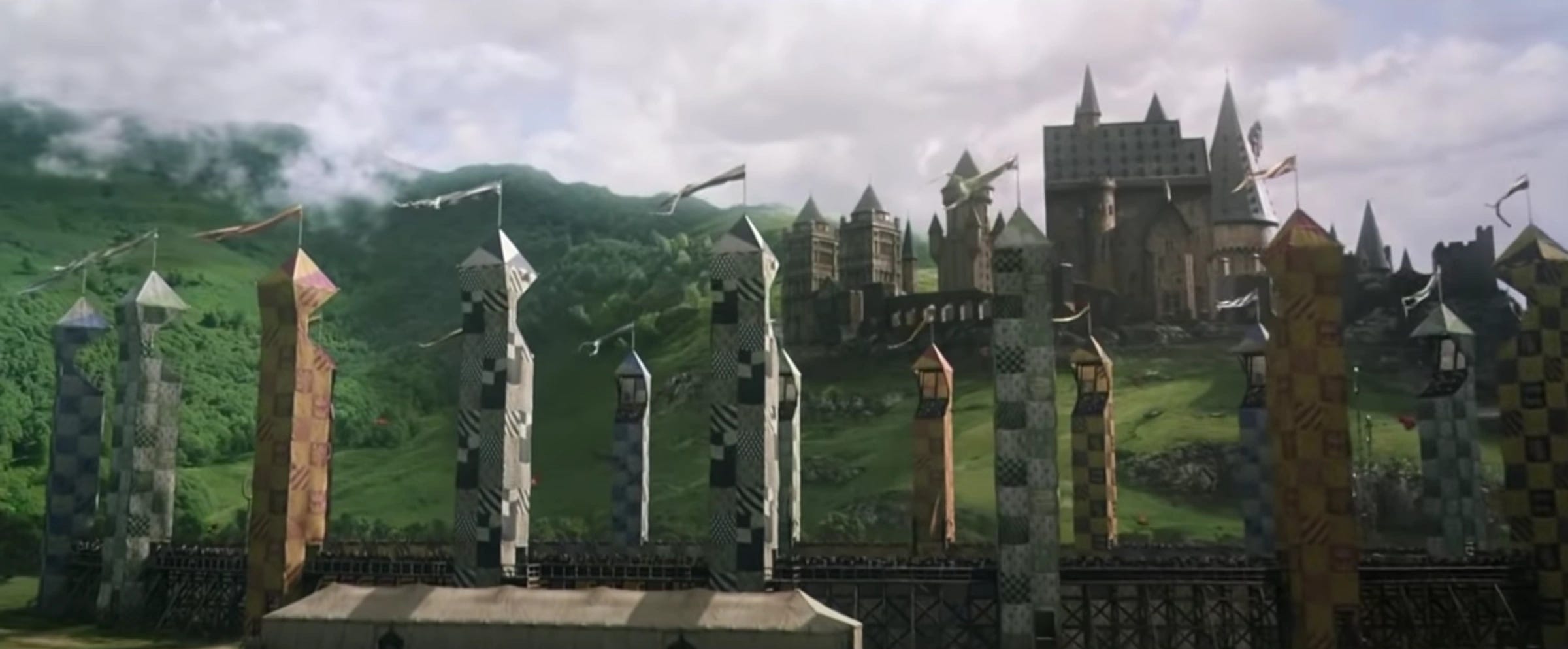
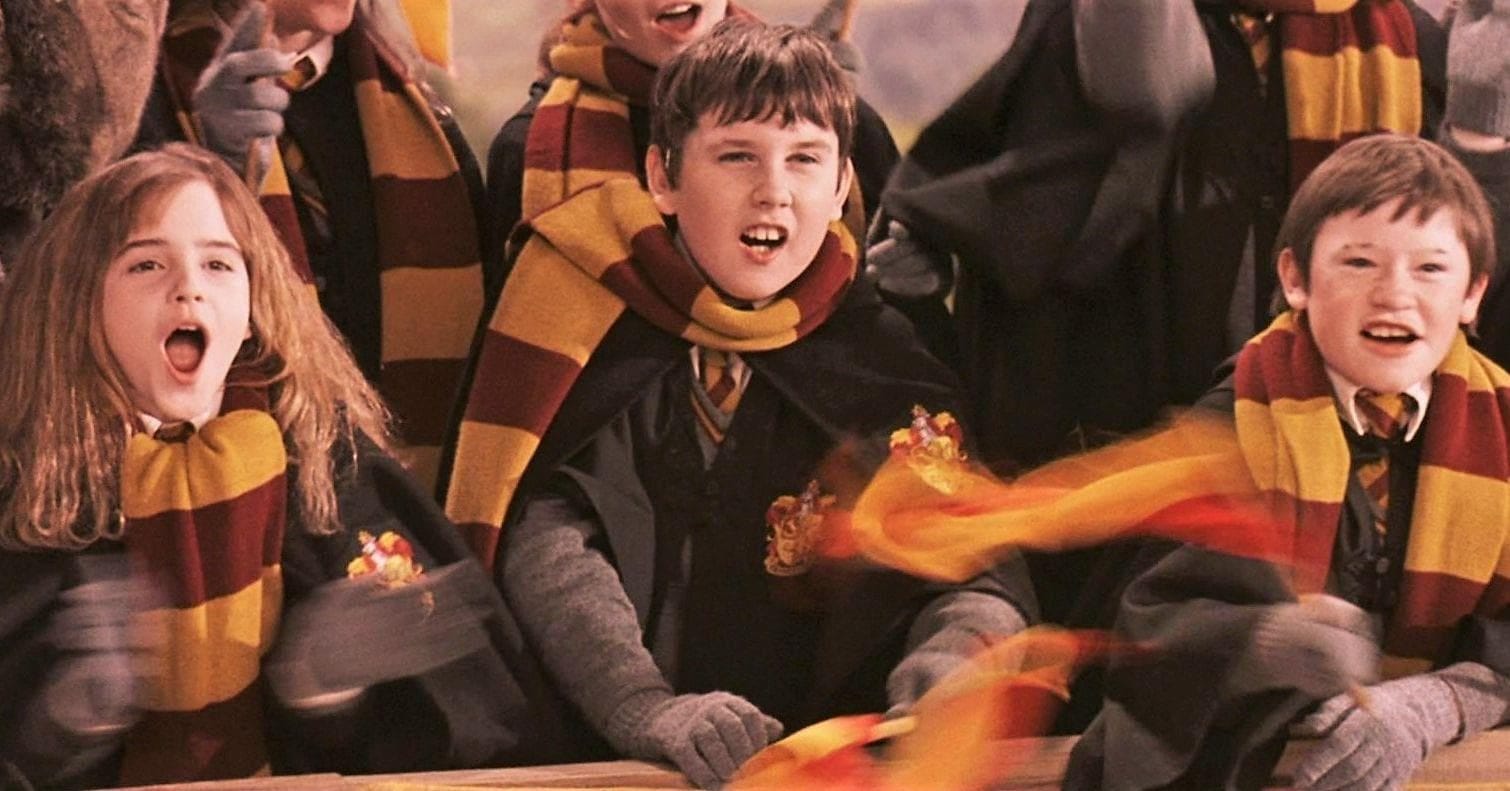
But it is a false impression. A magical illusion, or charm spell, to use the language of the books. Closer inspection shows that while Harry Potter is bedecked in the aesthetics of a rightist world, it is really only wearing those aesthetics as a skinsuit.
What lies underneath is a convoluted mess of an ideology that shunts aside what should be a justification for a traditionalist society to instead glorify…a rotten and ridiculous bureaucratic state not unlike that of Harold Wilson that destroyed Rhodesia. In this, Harry Potter is the antithesis of The Lord of the Rings, and represents an attitude of the sort that led to the West’s decline,1 as I’ll show in this article.
Listen to the audio version of this article here:
![[AUDIO] How Harry Potter Skinsuits Aristocratic Aesthetics to Promote Leftism](https://substackcdn.com/image/fetch/$s_!df-X!,w_140,h_140,c_fill,f_webp,q_auto:good,fl_progressive:steep,g_auto/https%3A%2F%2Fsubstack-video.s3.amazonaws.com%2Fvideo_upload%2Fpost%2F199375017%2Fdf78e46a-73ec-4d9f-b098-b57542d5cac5%2Ftranscoded-1779824952.png)
The Skinsuiting Spell: The Rightist Aesthetic of Harry Potter
A hierarchical, lordly attitude of the sort once familiar to the right pervades the Harry Potter story, particularly the early books.
Hogwarts
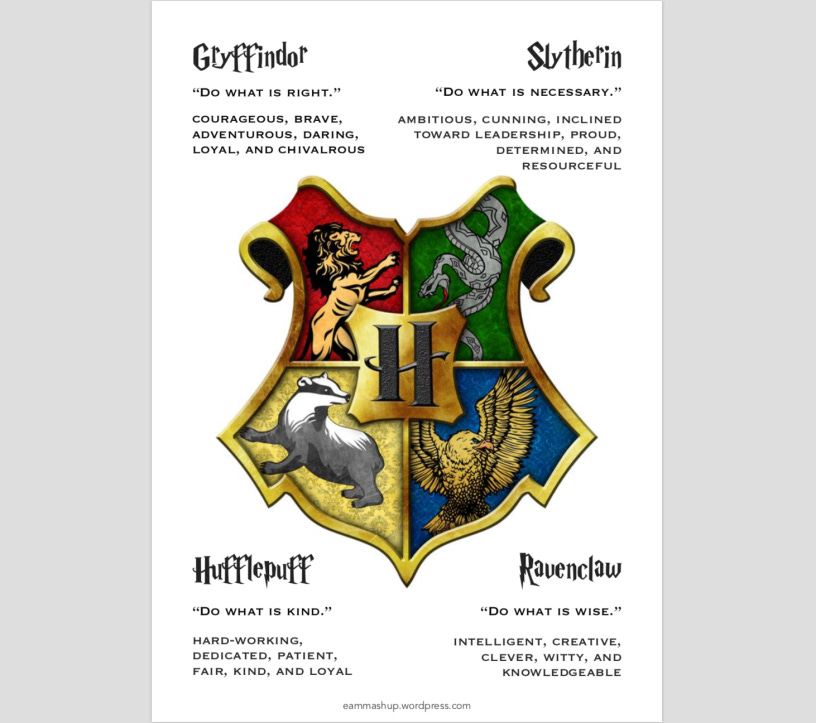
For one, of course, there is the general setting of Hogwarts and all that entails. The four Great Houses of the school stretch back a millennium, according to the mythology of the story, and the traditions and spirit of the Founding houses have remained intact over time because diligent training of their heirs of blood and spirit has ensured it. To remind them of their predecessors’ noble deeds and spirits, they are surrounded not just by ties and banners, but by portraits, whispered tales passed from one generation to the next, and even ghosts who serve as semi-living reminders of days past.
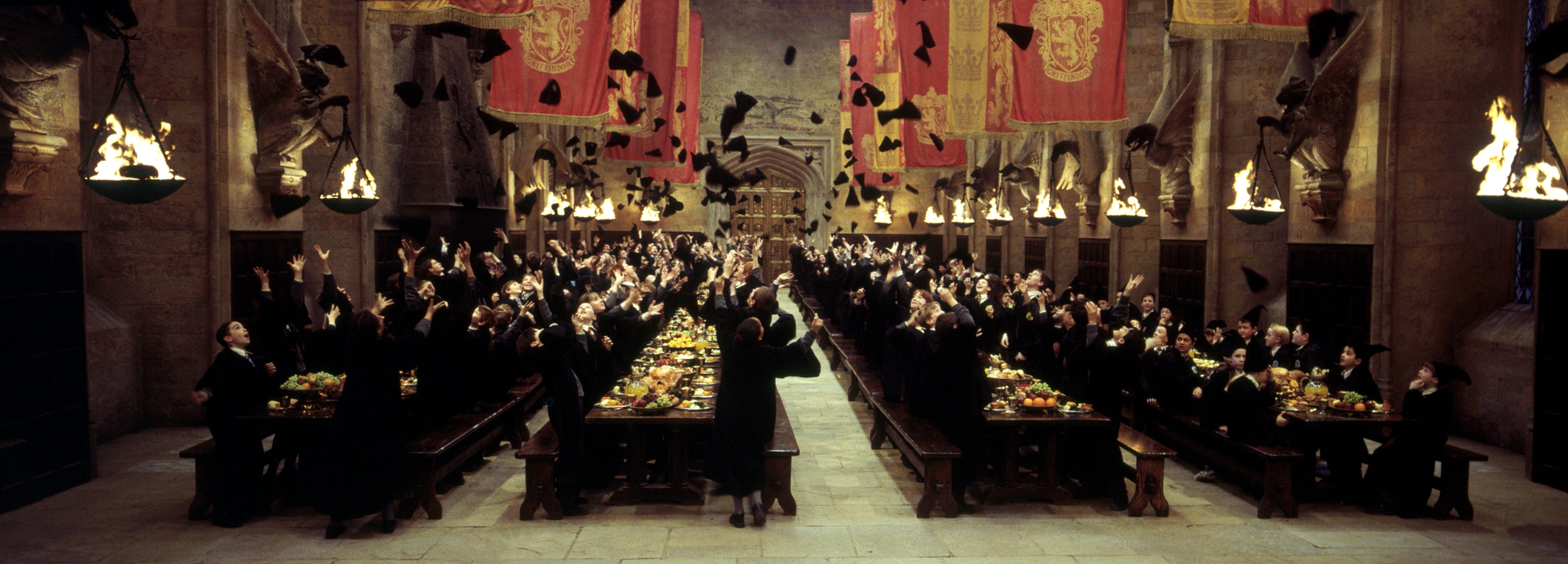
Their lessons consist of reminding them of their duty to rule well and responsibly, and to train them in how to exercise their power in such a manner. Their extra-curriculars—namely Quidditch, which in its dangers, expense, and excitement is something like polo—are meant to accentuate their spirits and propel them to lives of noble deeds (or so it seems). Professors are treated with deference and respect, and in turn treat their pupils as near-equals to be trained and tutored rather than boxed about the ears and treated as a rabble of inept children. Personal and spiritual excellence is glorified and further developed rather than damned, students are taught of traits in houses and families, and the understanding that blood makes one magic and can confer special characteristics makes them unusually focused on ancestry and heritage.
Such is very aristocratic. Hogwarts, from its uniforms to its traditions, is meant to be a top-notch boarding school of the sort like Eton or Harrow that once trained the aristocracy and gentry to rule Britain and her empire. That is to say, it is a place not just where the best are educated, but where they are molded into the sort of men who can exercise just rule of the sort expected from them and do their duty in all circumstances. Similarly, Great Houses within it are references to the various noble lines that once ruled, and the way certain lines seem to have unique characteristics.
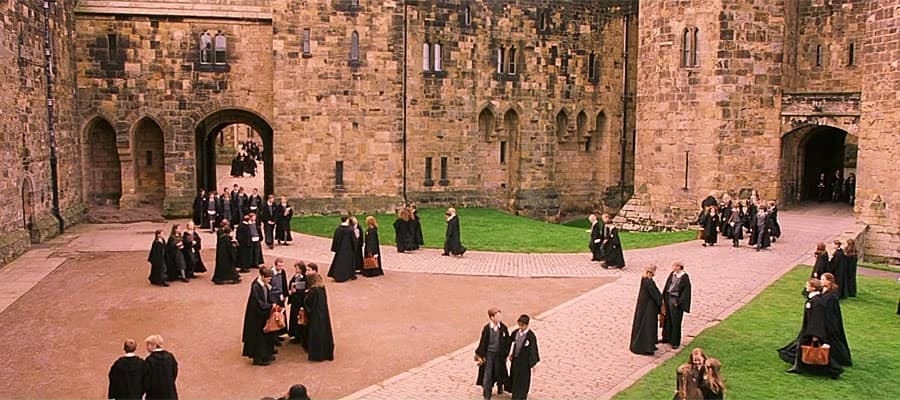
It’s not for nothing that the Hogwarts scenes in the early movies were filmed at Alnwick Castle, the ancient seat of the Percy family, a ducal family of Norman blood that came across in 1067 and ruled North England as effective sovereigns for much of the Middle Ages. They’re still around, and their blood and castle capture the sort of eternal connection that makes both families like them and literary versions of the sort seen in Harry Potter seem special, mystifying, and so on. Nothing survives for a millennium by mere chance, after all.
But it is deeper than just the ties, banners, and lessons of Hogwarts.
Harry Potter and the Damned Bourgeoisie
Take the general scorn shown towards the middle class in the books, principally through the lens of the Dursleys, the upper-middle-class and non-magical family that took Harry in after the death of his parents.
The Dursleys are shown as being myopically focused on money, for one thing. They lack any sense of honor or higher things, and are instead driven by an insatiable lust for material pleasures and constant accumulation of things with little real value. Dudley’s wrecked toys are the distillation of this, but so is the expensive though unattractive home at which they live.
Similarly, the Dursleys are shown to have, by their very nature, no sense of personal excellence. Both males are so fat that they can hardly walk, are described as lacking any sense of athletic prowess or the point of exercise, and are driven by their gluttony for food as much as by their lust for material possessions. There is nothing sporting about the Dursleys, whereas Harry is portrayed as naturally excelling at the aristocratic and challenging sport of Quidditch.
On much the same note, they are only able to use force in a non-sporting way against those over whom they exercise tyrannical control. Whereas Harry is willing to engage in an artistocratic duel in the first book despite not knowing the first thing about it, Dudley—his cousin and a tyrannical bully—is only willing to prey on the weak when he knows he can win, and runs away from danger and to his shrew of a mother at the first sign of anyone pushing back against him. Similarly, his father buys a rifle with which to ward off wizards, but shows no real ability to use it and is easily disarmed and intimidated by the unarmed Hagrid.
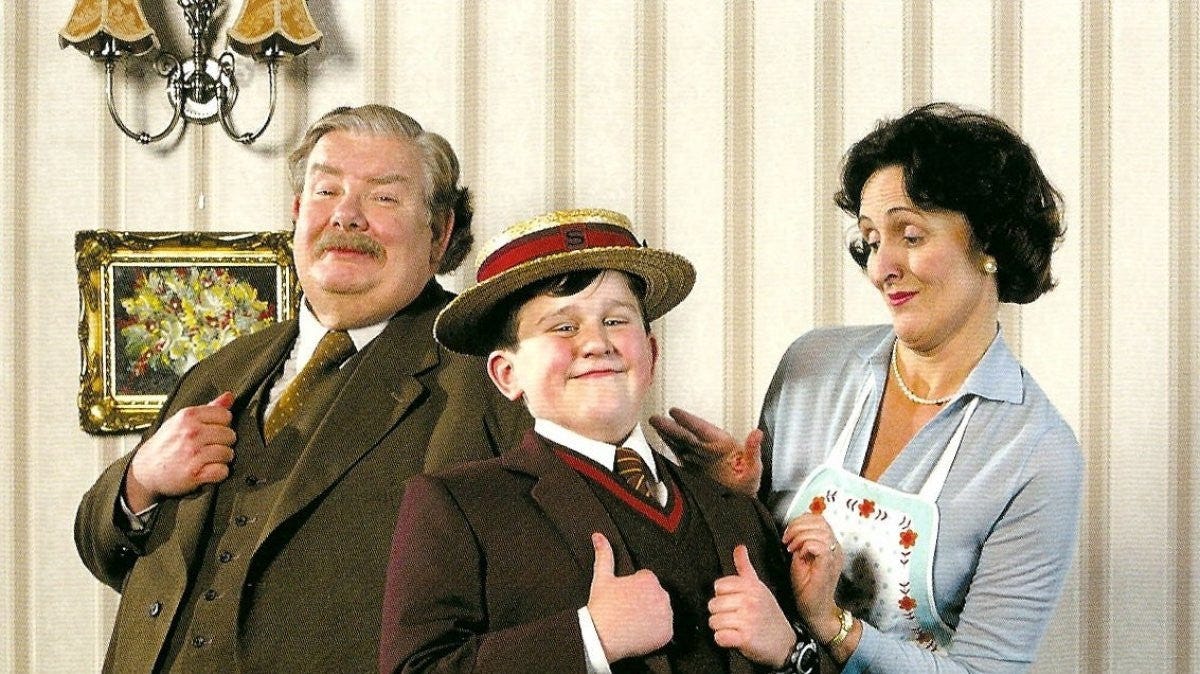
And, of course, the Dursleys show no real interest in ancestry, heritage, blood, or the like. Dudley’s father shows a slight attachment to his un-aristocratic boarding school, Smeltings, but that’s about it. Nothing is said by them or anyone else of their ancestry, of any noble deeds once performed, of characteristics innate to the Dursley clan, or of anything else that would indicate they had ever once looked beyond their checkbooks and plates of sausages.
Similarly, they have no sense or care for aesthetics. They are fat blobs who appear like it, or who find some horrid outfit like the Smeltings uniform very attractive. That pairs well with their beady-eyed skepticism of anything not exactly of the comfortably mundane sort they like and expect.
That general impression of them is more or less the exact same one used by the British landed elite and its retainers to describe the middle class at its worst. Myopically focused on money gained through business, unsporting to the nth degree, gluttonous in the worst ways, uncharitable, uncurious, suspicious, and petty. Merciless little tyrants to those dependent on them, and disgustingly obsequious to those on whom they depend.
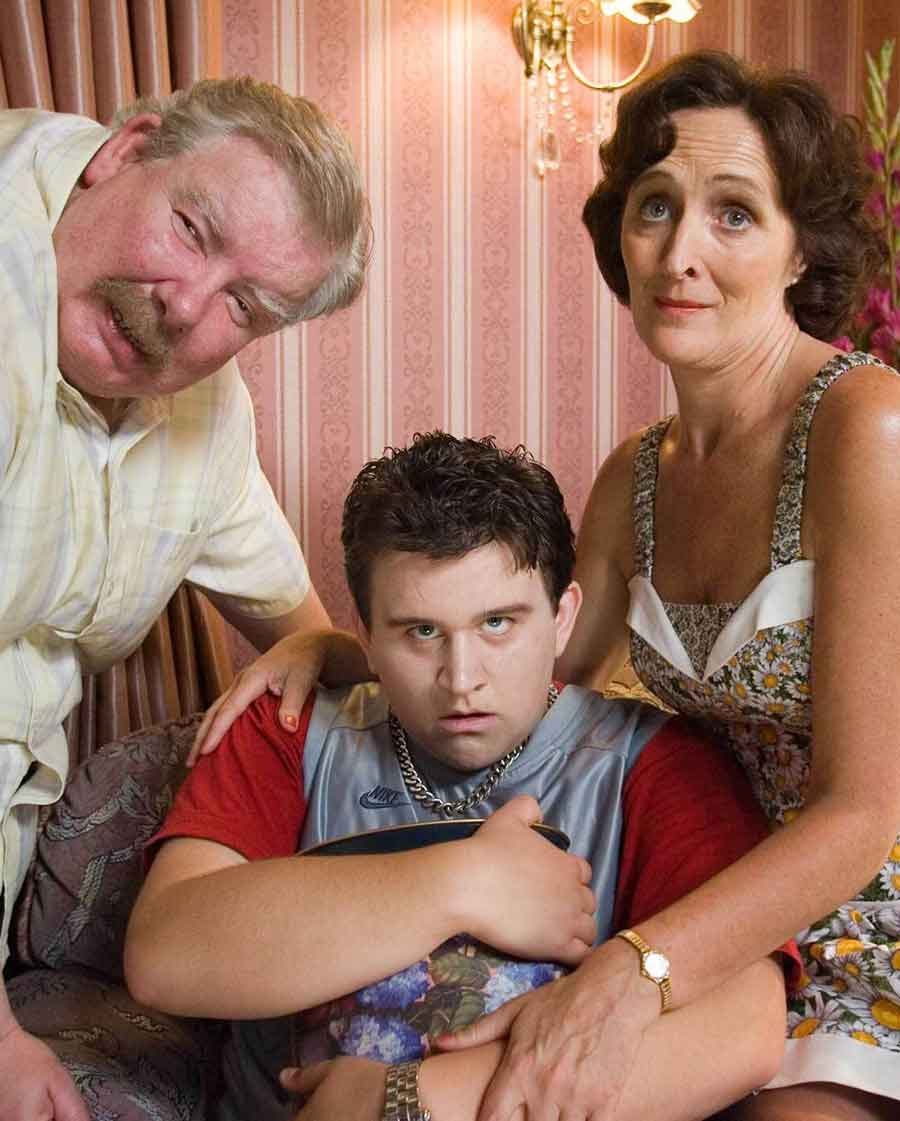
Both the greats of the wizarding world who are of ancient and noble lineage—such as Harry Potter and Hogwarts Headmaster Dumbledore—and the humble—such as Hagrid the Gameskeeper and the Weasleys, express this general opinion of the Dursleys and their ilk. It is the view of those trained in lordly virtue and traditional leadership looking askance at those devoid of all such principles.
Blood in the Potterverse
Then there is the matter of blood. In the universe of the Harry Potter series, blood and lineage confer special characteristics. For one, a mixture of lineage and chance determines if one is a wizard—a member of the ruling elite that secretly rules itself and controls the non-wizard (“Muggle”) world—or not.
Muggles have no magic in them, and generally don’t know of wizards. Squibs have magical parents, but lack the magic gene; however, this is rare, indicating that generally the trait is passed, much as being mostly good at being a member of the gentry was passed from one generation to the next.
Then there are the degrees of magical blood within the wizarding world. Pure-bloods have magical parents and are magical. Mudbloods have no magical parents, but by chance have the trait. Half-bloods have mixed parents.

Predictably, there is a fight within the magical community over who counts. Much like the landed elite of old, the old families are skeptical of “mudblood” newcomers; the wealthy and ancient Malfoys are of this arch-Tory mindset. Similarly, much like the landed elite of old, few much care about half-bloods; marriage into the ruling elite is considered good enough, so long as the children it produces are as well. And, also like the landed elite of old, the more liberal elements insist that newcomers don’t matter even if those newcomers immediately push for full recognition and change. There is a distinct strain of the 18th century’s feud between Whigs and Tories over how and whether to include arrivistes with industrial or mercantile backgrounds throughout the blood discussion in Harry Potter (which is interesting, as are the other Whig-Tory style of feuds present throughout the early books; on the whole, they are much more interesting than the Gay Liberal vs. Literal Hitler dynamic present in the later stories).
But, overall, the matter of blood is handled positively and in a traditionalist way. Hagrid is surprised upon meeting Harry that he doesn’t know that he is an already honored member of an exalted elite because of his very blood and ancestry, for example. Similarly, it is generally considered unremarkable that different sorts of kids should be sorted into different Great Houses based on their innate virtues and vices.
In our egalitarian world, that would not fly. Imagine sending 5th graders to a different school because you sense that they are designing, like Malfoy, or innately honorable, like Potter. The school board probably wouldn’t approve that. In their world that appears fully comfortable with and accepting of such aristocratic tendencies, however, it’s portrayed as simply being common sense.
The Other Little Aesthetics
There is much else that imbues Harry Potter with a decidedly un-liberal aesthetic.
The great families have house slaves called house elves, for example, and this is treated as unexceptional. Indeed, the Weasleys indicate the ownership of slaves is limited but highly desirable, and say that they’d own one if they could afford it.
Similarly, the operation of Hogwarts in the early novels is portrayed as being generally a matter of individual sovereignty amongst the professors. They can, on a whim, choose to punish students, award or subtract points, insist students engage in dangerous activities, and so on. The restraints imposed are not chains of bureaucracy but limits of decency and social acceptability. And at the top sits Dumbledore, who is the sovereign who decides the exception—as he does to much fanfare with the awarding of points at the end of the first novel.
Other little things abound. Wands are like specially crafted sidearms molded to the spirit and capabilities of the users—much like swords, the traditional preserve of the aristocracy, are carried at all times, and are used frequently in formal and informal duels. The general understanding that the wizarding world ought rule the Muggle world because it can, but that it also ought do so honorably and justly, is very aristocratic. Brooms are a personal, special, and often expensive form of personal locomotion, much like horses once were for the landed elite. On and on it could go.
Those little things that flesh out the wizarding world in an attractive way are all decidedly aristocratic, and thus rightist, in orientation.
The Skinsuiting: The Blood and Bureaucracy Underneath the Aesthetic
Be that as it may, the world of Harry Potter is not a rightist one. Or, at least, the books are decidedly not rightist in tone, though what exactly they are is hard to discern. There are certain elements of it that reek of the Whig worldview—particularly surrounding the matter of blood and of rule being more secretive than open—and a great deal that consists of presenting the British bureaucratic state of Harold Wilson as the way things ought be done, within proper bounds.
The Blood of Potter
Particularly, there is Rowling’s obvious discomfort with the world of blood and tradition that she created.
The remainder of this article is for paid subscribers. All those who are not yet paid subscribers: while some of this article is free, please subscribe for just a few dollars a month to support this project, get access to audio episodes, get ad-free versions of my history videos, and read this article in full.
